Inspiration notebooks
French Polynesia, an archipelago to compose
Five archipelagos, 118 islands, as many different rhythms. Choosing your islands matters as much as choosing your hotel.
When to go
May to October
Ideal length
18 to 20 days
Suggested budget
From €6,000 per person
Who is it for?
Honeymoons, lovers of lagoons and islands
French Polynesia is not one destination, it is five archipelagos and 118 islands, each with its own landscape, its own rhythm, its own light. That is exactly what makes it as exciting as it is delicate to plan on your own: choosing the right islands matters as much as choosing the right hotel.
Getting from island to island, a subject of its own
First thing to know: you do not connect Polynesian islands the way you would connect European cities. Travel is almost exclusively by air, on domestic flights organized around Tahiti, which acts as the central hub. Many islands are not linked directly to one another: to go from Bora Bora to Rangiroa, for instance, you often have to route back through Tahiti. Air passes exist to combine several islands at a lower cost, but building one requires a real itinerary logic, otherwise you lose several half-days to avoidable connections.
This is something travelers often underestimate when planning French Polynesia on their own: the number of islands you visit matters less than how coherently they connect.
« In French Polynesia, the difficulty is not finding beauty. It is choosing which one to live in. »
Three archipelagos, three atmospheres
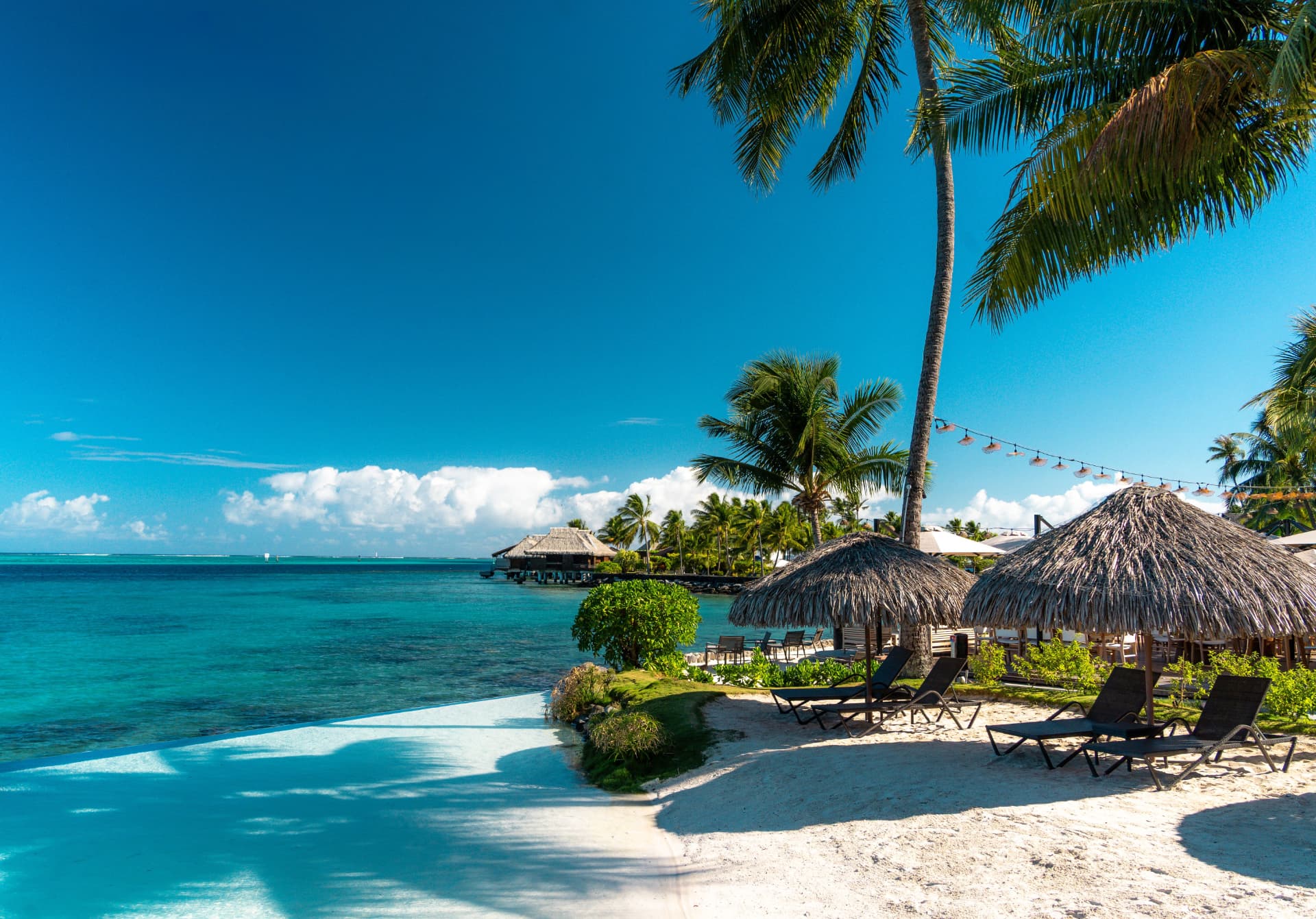
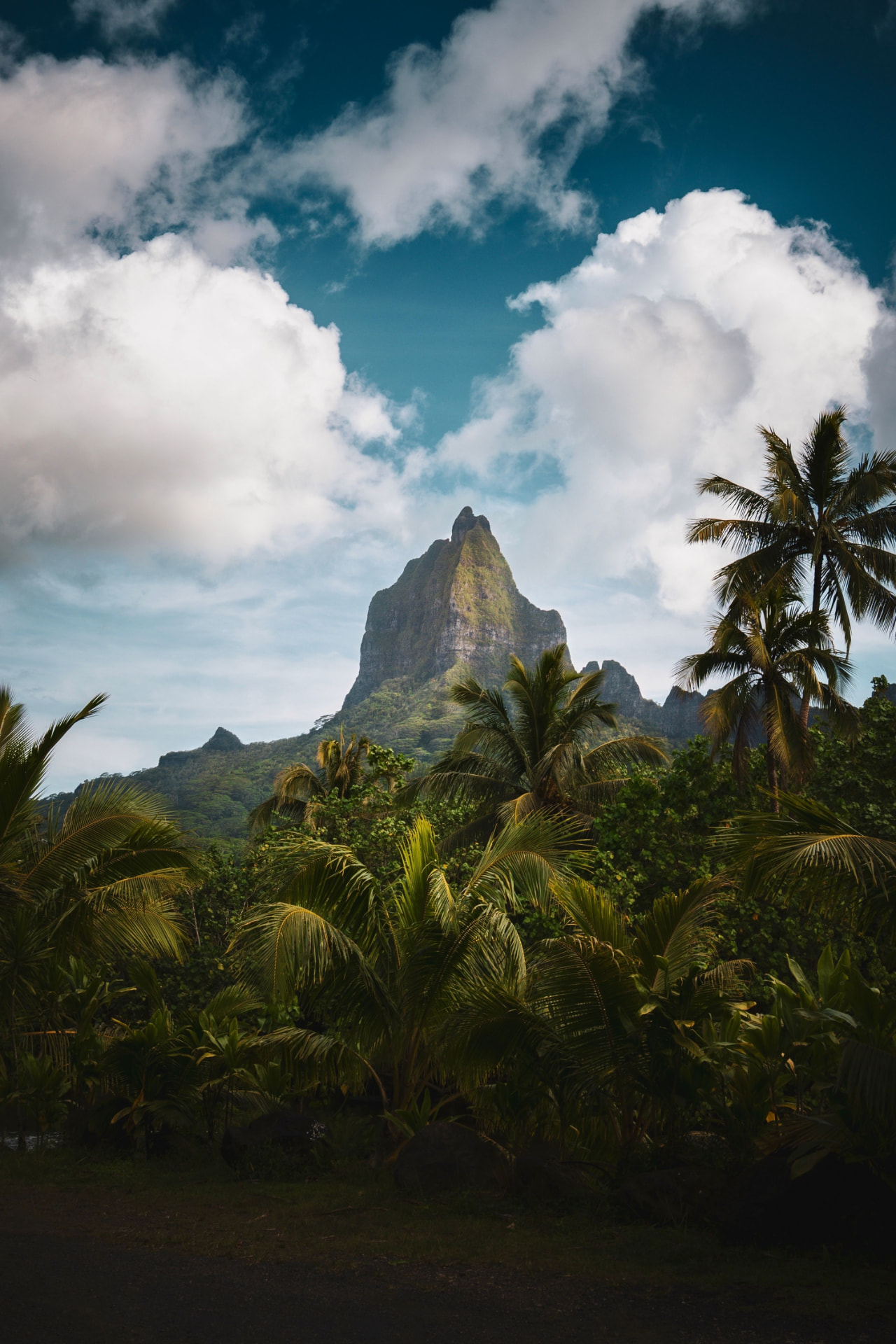
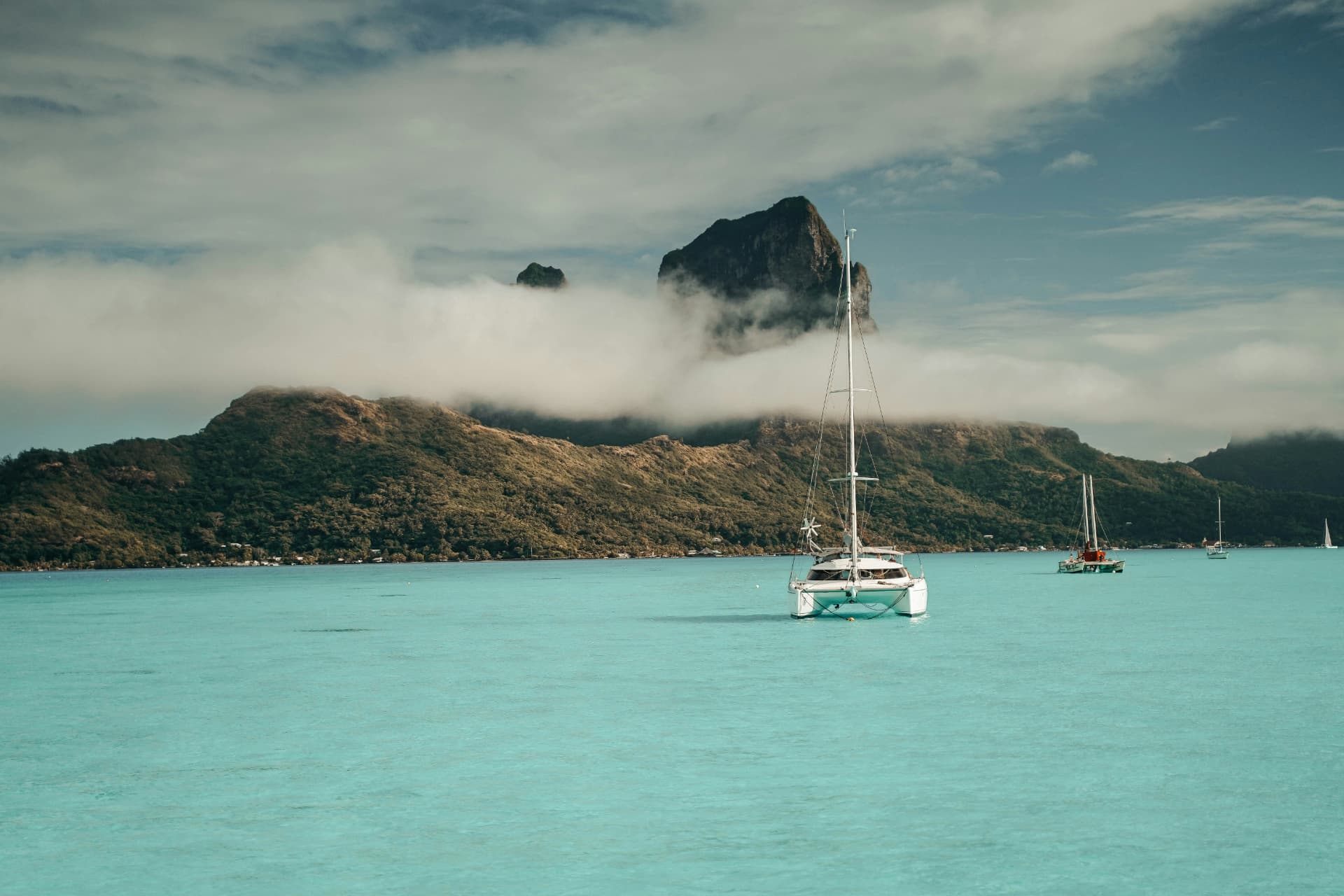
The Society Islands, the best known and the most accessible, include Tahiti, Moorea, Bora Bora, Huahine, Tahaa and Maupiti. This is where most of the iconic lagoons and the major hotels are concentrated. Moorea, twenty minutes by boat from Tahiti, is often the first real encounter with French Polynesia: mountains dropping into the lagoon, pineapple plantations, a pace that slows down immediately. Huahine and Tahaa remain more low-key, with a stronger sense of local life and fewer hotels, for travelers looking for a more authentic side of the Society Islands. Maupiti, often described as "the little Bora Bora from before tourism," wins people over with its almost untouched lagoon and the absence of large resorts. Further out, Tetiaroa shifts register entirely. The private atoll of the former Tahitian royal family, today reachable through a single hotel, offers an experience apart: few visitors, and a very different relationship with time and isolation. We cover it in more detail in our article on The Brando.
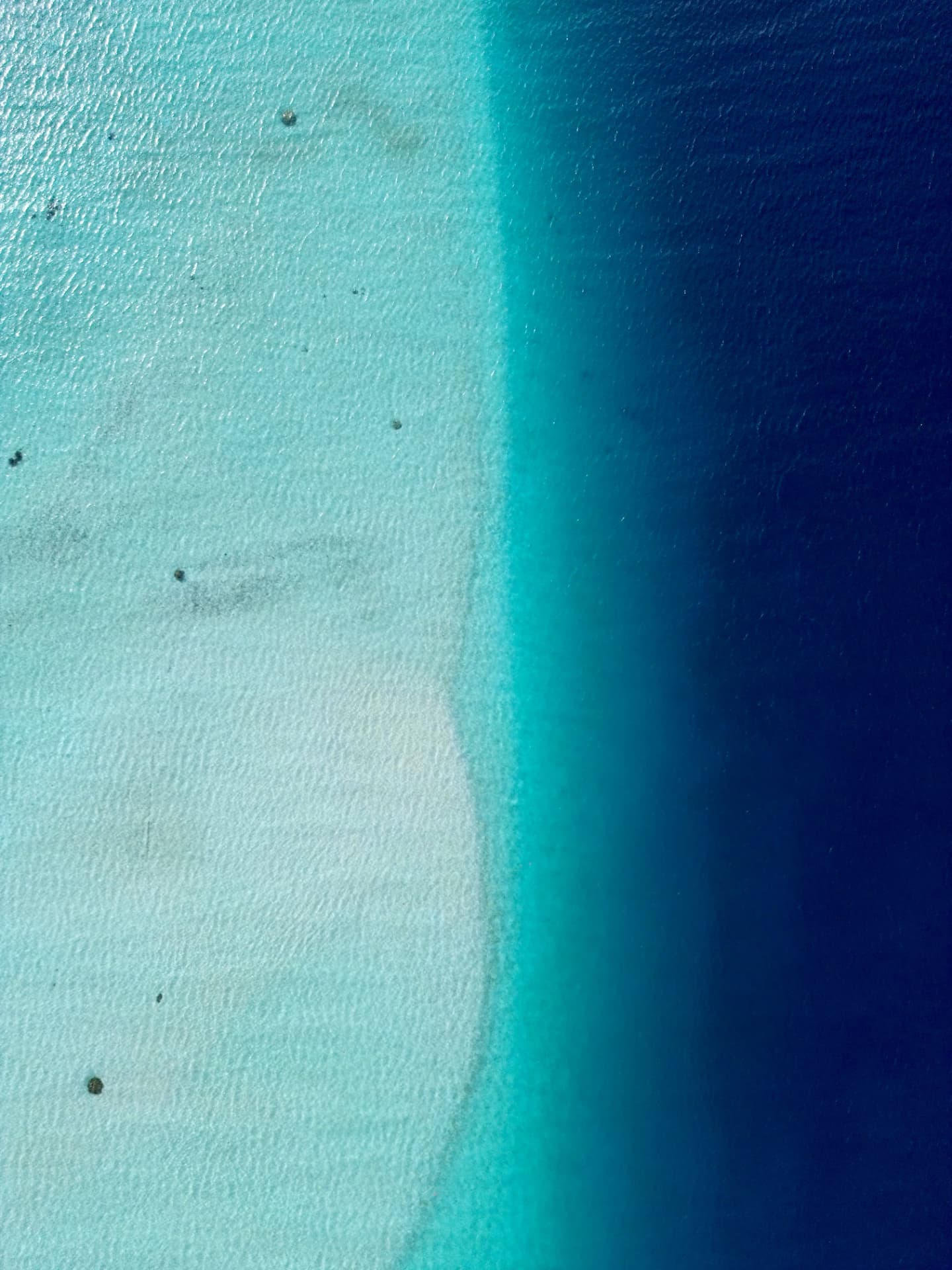
The Tuamotus are another world: flat coral atolls built around enclosed lagoons made for diving and snorkeling. Rangiroa, one of the largest atolls on earth, is the best known of them. Further out, islands such as Makatea, a former mining island that is now almost deserted, draw travelers looking for something genuinely different, far off the beaten path.
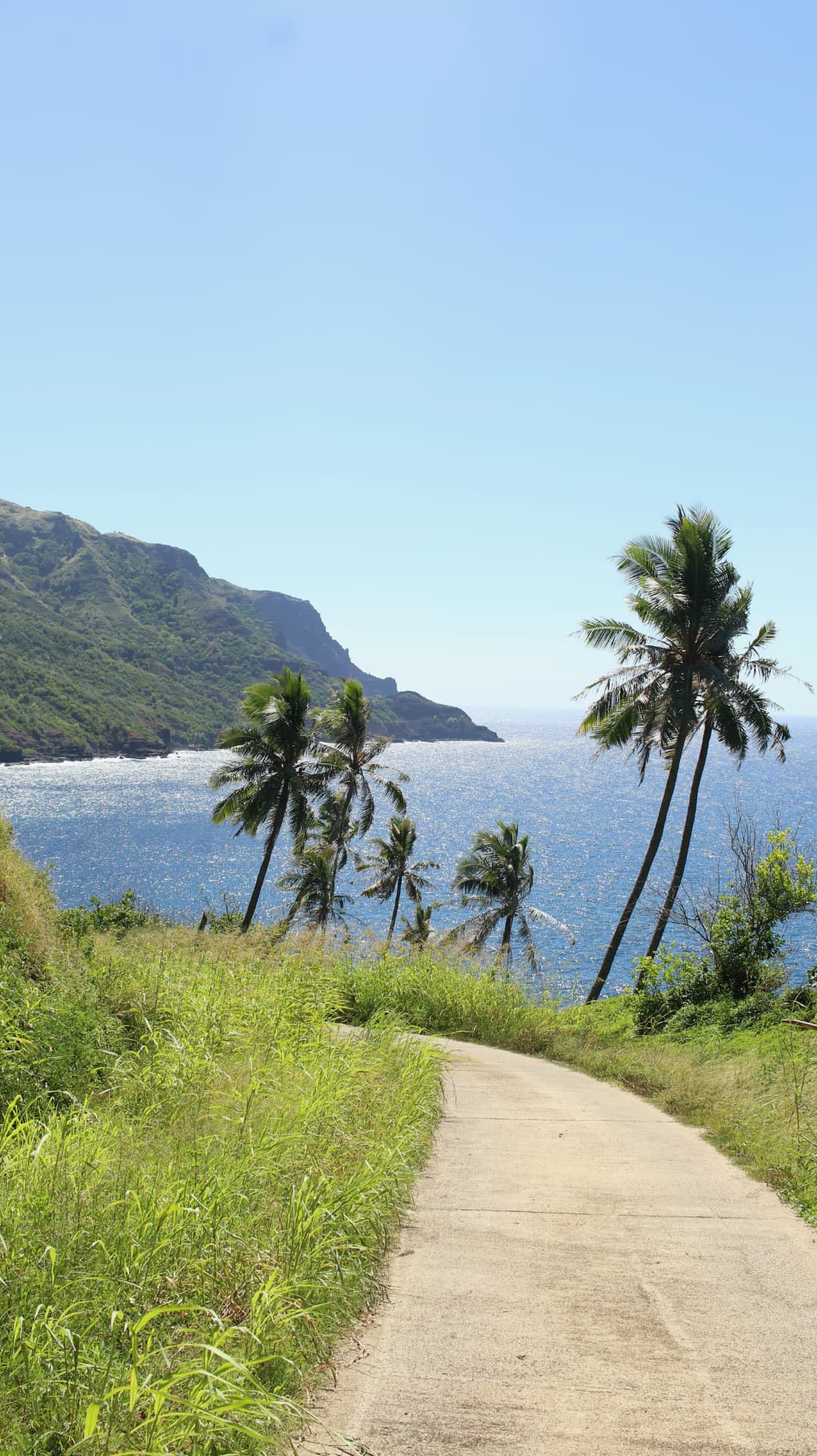
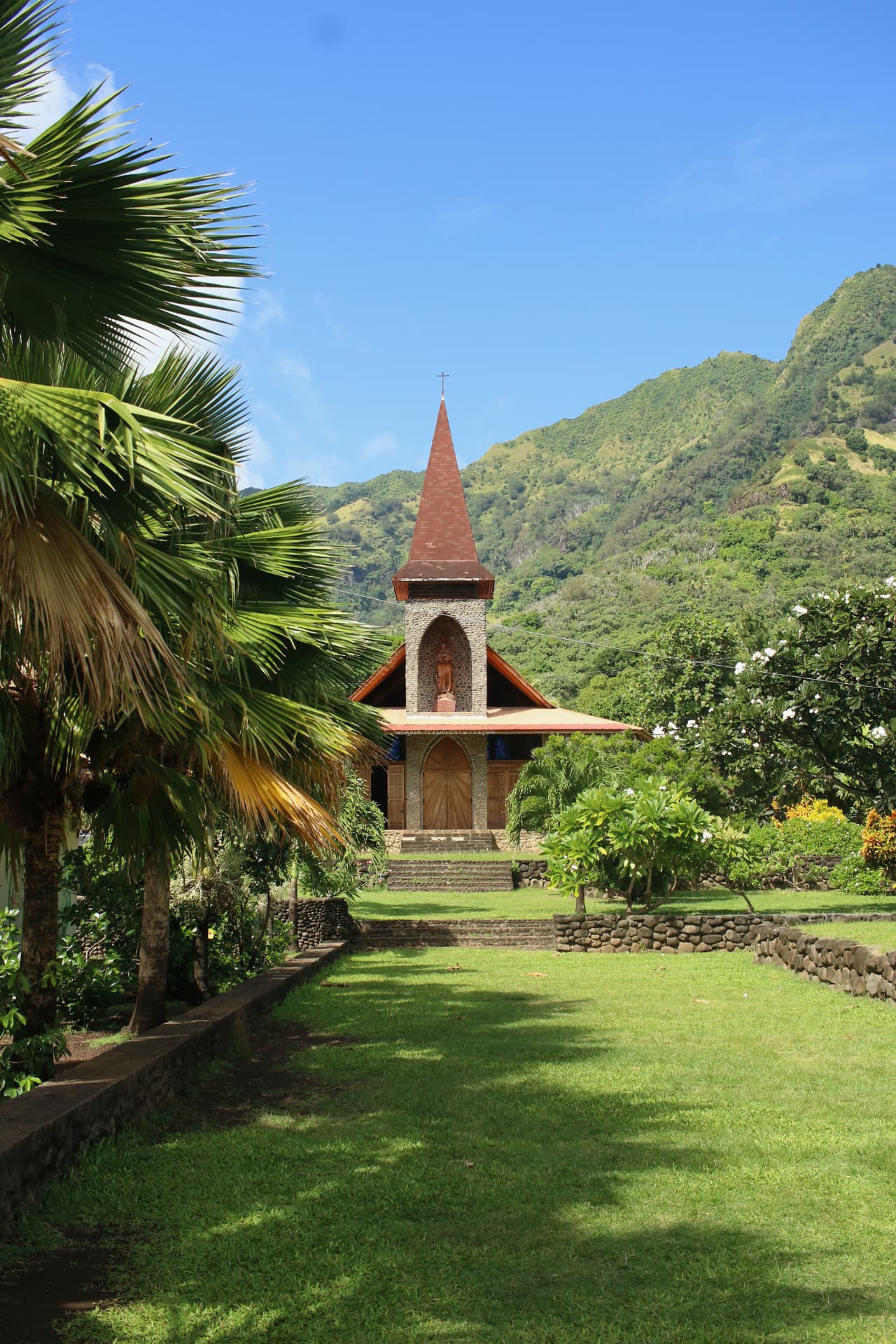
The Marquesas, finally, have neither lagoon nor white sand: spectacular volcanic relief, deep valleys, and a strongly present Polynesian culture. It is an archipelago apart, one that takes time (plan at least six days there for the journey to be worth it) and speaks to curious travelers more than to sun loungers. You truly feel at the end of the world.
The Bora Bora question
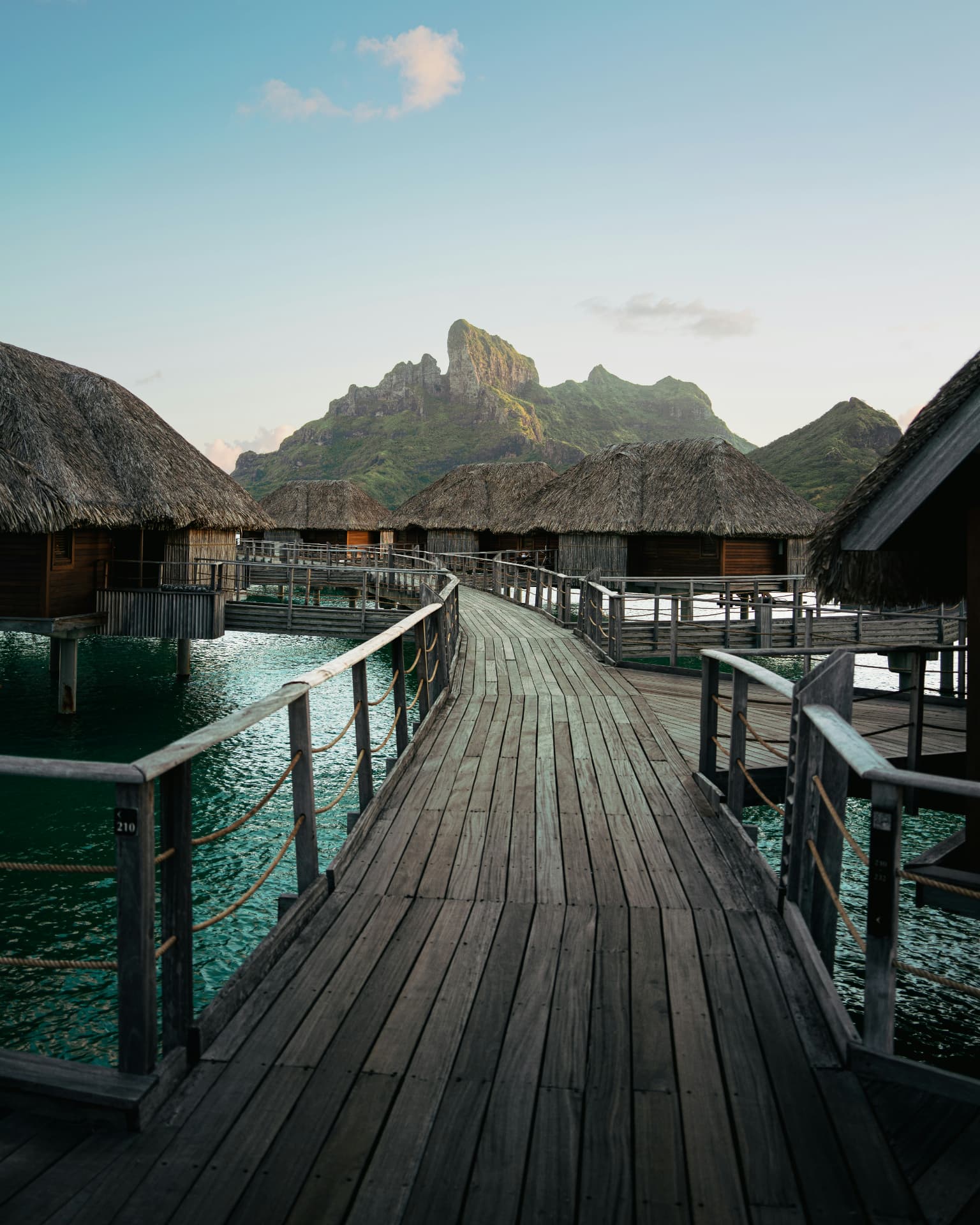
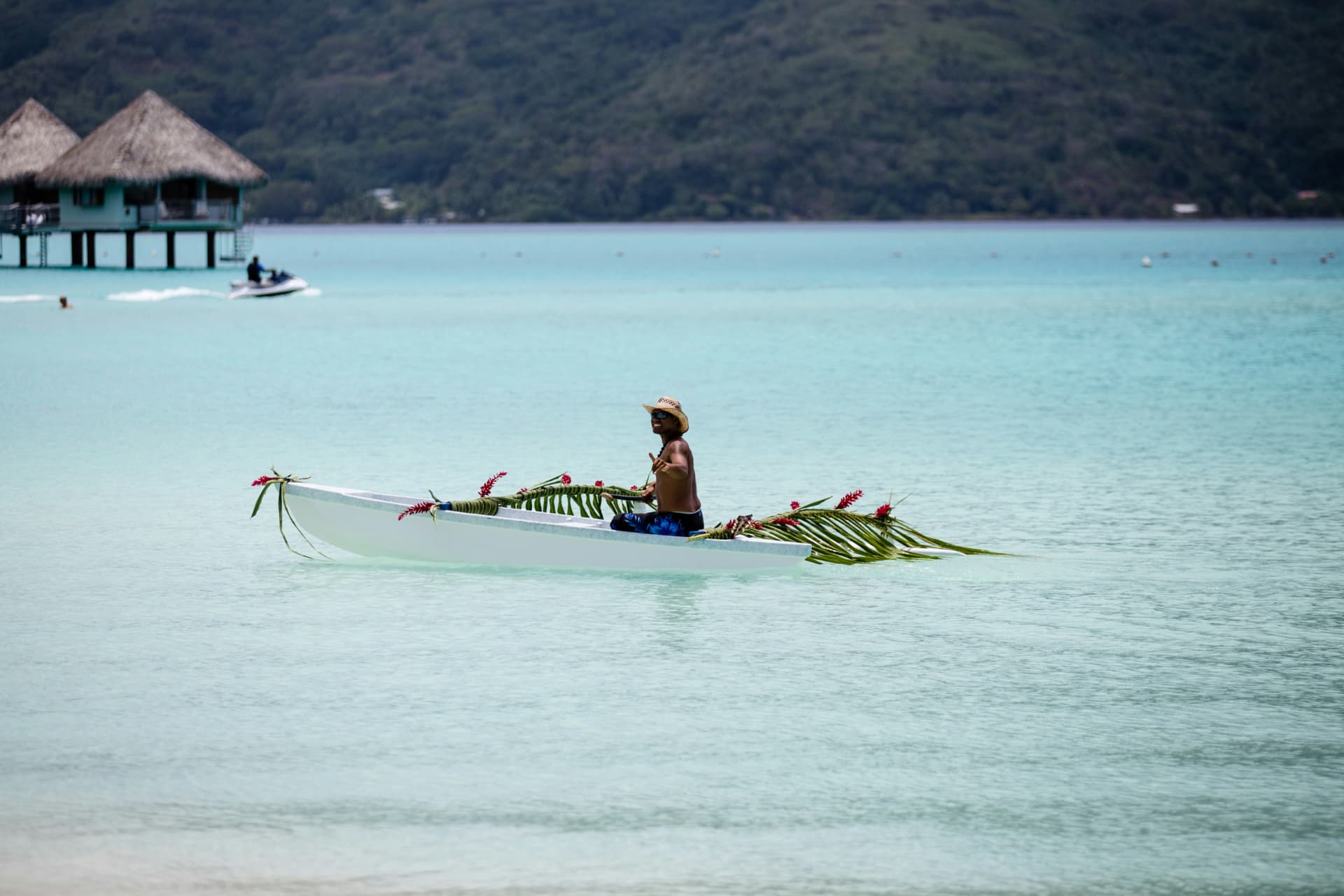
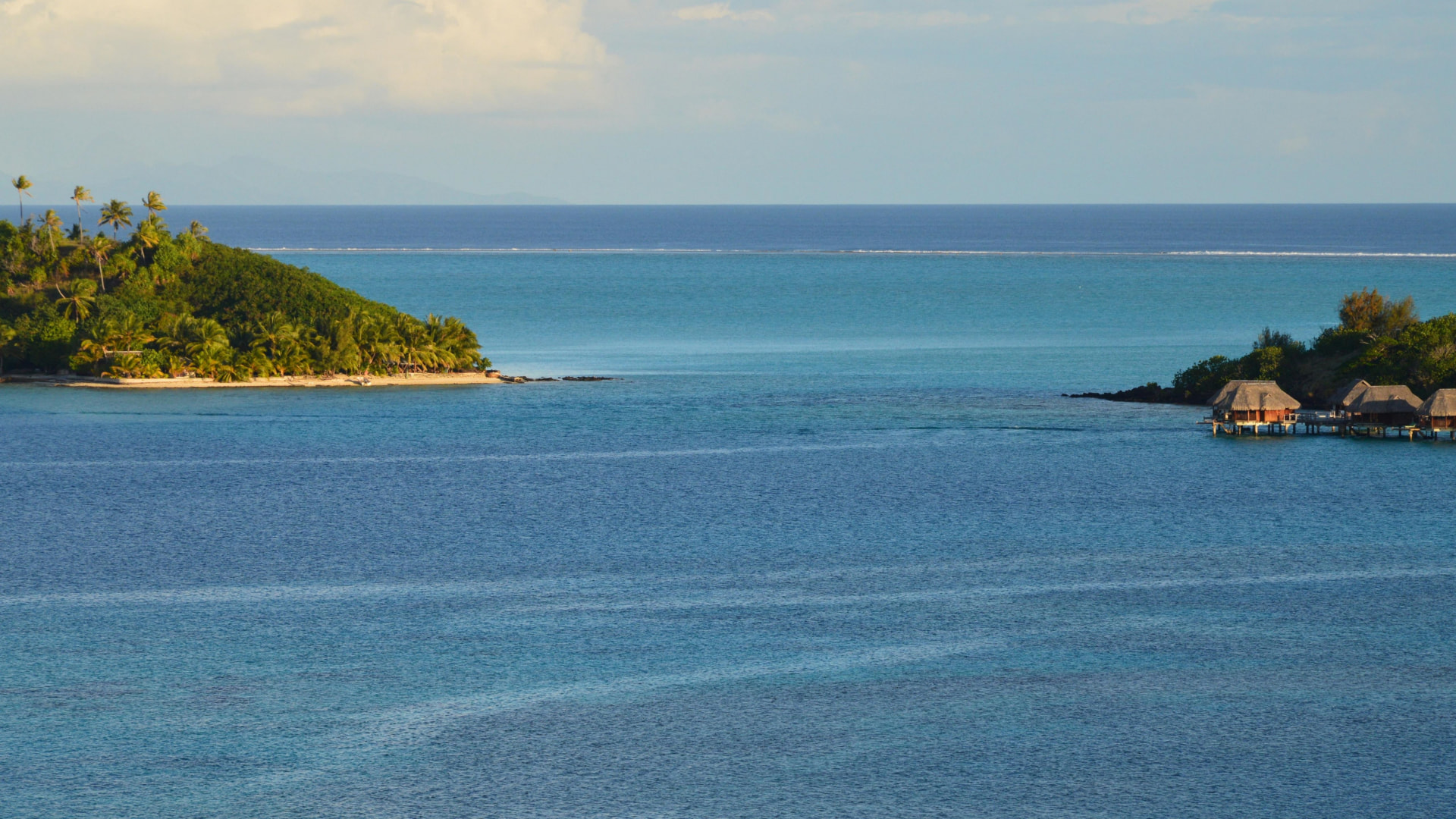
Bora Bora is one of those destinations you sometimes hear people advise against, often travelers who have never been: too many hotels, too touristy, too seen. We see it differently, and we always prefer a traveler to form their own opinion rather than follow a reputation. The lagoon of Bora Bora remains one of the most beautiful in all of French Polynesia, and it is entirely possible to feel secluded there, with the right hotel on the right side of the lagoon. The island's reputation often says more about the experience of the people telling the story than about the island itself.
Who French Polynesia is for
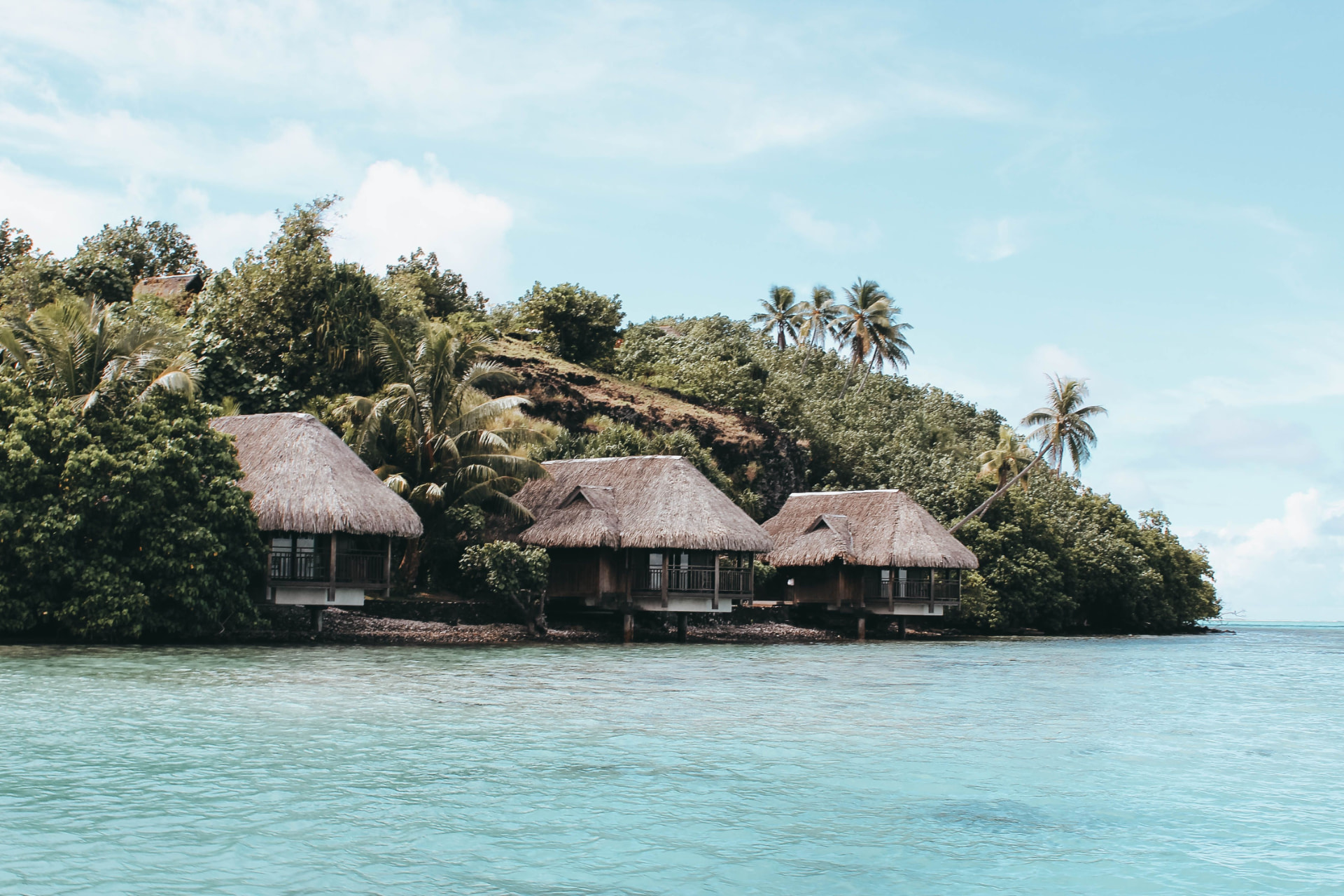
It is one of the most romantic destinations there is for a honeymoon, and probably one of the most requested for that occasion. But beyond the honeymoon, what really varies from one traveler to another is the selection of islands: lagoon or relief, large hotel or discreet address, ten comfortable days across two Society Islands or a longer expedition out to the Marquesas. That is exactly the kind of trade-off a travel advisor who knows the destination well can settle in advance, rather than leaving you to discover it once you are there.
— Frequently asked questions
Your questions,
our answers.
The dry season, from May to October, offers the most stable weather, with less humidity and a generally calm sea. The wet season, from November to April, is still pleasant but brings more tropical showers.
Twelve to fourteen days allow you to discover two or three Society Islands without rushing. Adding the Marquesas means planning at least six extra days for that archipelago alone.
No. That reputation mostly comes from travelers who have never been. The lagoon remains exceptional, and the right hotel lets you feel just as secluded there as anywhere else in French Polynesia.
Almost exclusively by air, on domestic flights organized from Tahiti. Many islands are not connected directly to one another, which means the order of your stops has to be carefully thought through.
It is one of the most romantic and most requested destinations for the occasion, particularly for its overwater bungalows and the level of privacy they offer.
In short
French Polynesia rewards those who take the time to choose their islands carefully, and to think through the logistics that connect them, rather than trying to see everything. An archipelago to compose, not to tick off.
« Choosing your islands matters as much as choosing your hotel. »